
Cast polyurethane parts, made in Michigan.
Two-part polyurethane elastomer components for suspension, vibration control, and wear applications. Prototype through production, with material sourced in the United States.
- ISO 9001:2015 certified
- Veteran owned and operated
- Material sourced in the USA
- Lansing, Michigan
What we cast
Load-bearing and vibration-damping components in polyurethane elastomer, a liquid-cast material that outperforms rubber and replaces some machined metal parts. These are the shapes we pour most often. If yours is not here, it is probably still a fit.
Custom cast parts
Anything else that should be cast urethane, from your drawing, model, or the worn part in your hand.
Spring inserts
Load-support and helper components that sit inside or alongside coil and air springs to add capacity and control sag.
Bump stops
Progressive-rate jounce bumpers that absorb the last inch of travel without harshness and never take a set.
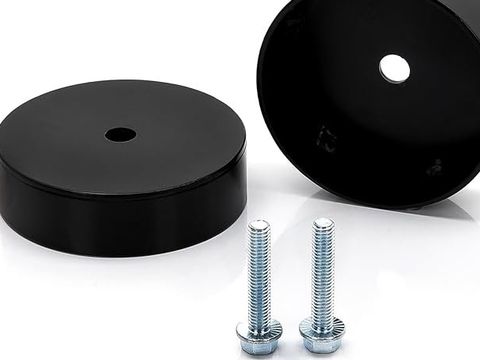
Spacers and leveling components
Leveling pucks, coil spacers, and strut spacers that hold their height under load and do not corrode.
Shock and vibration pads
Isolation pads, mount isolators, and machine feet that damp vibration and protect what sits on them.
Bushings
Control arm, sway bar, and pivot bushings with molded-in sleeves that outlast rubber and sharpen response.
How a part gets made here
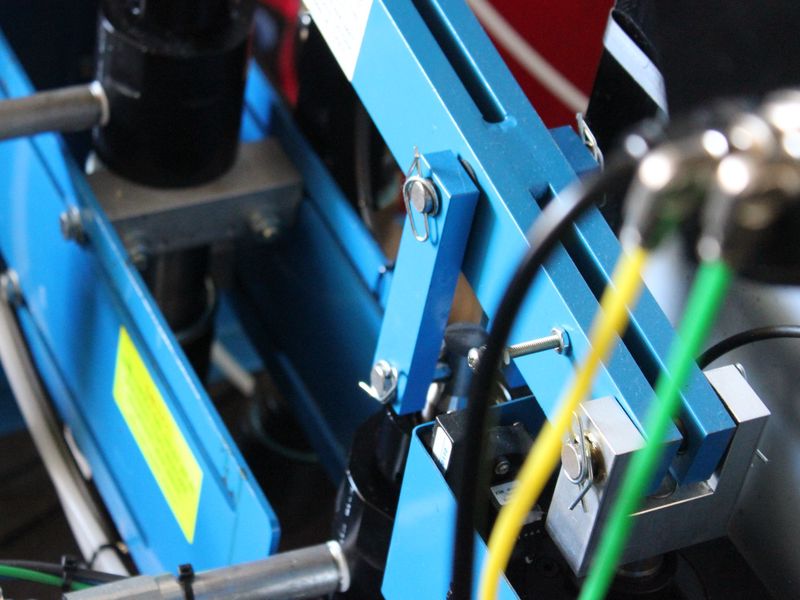
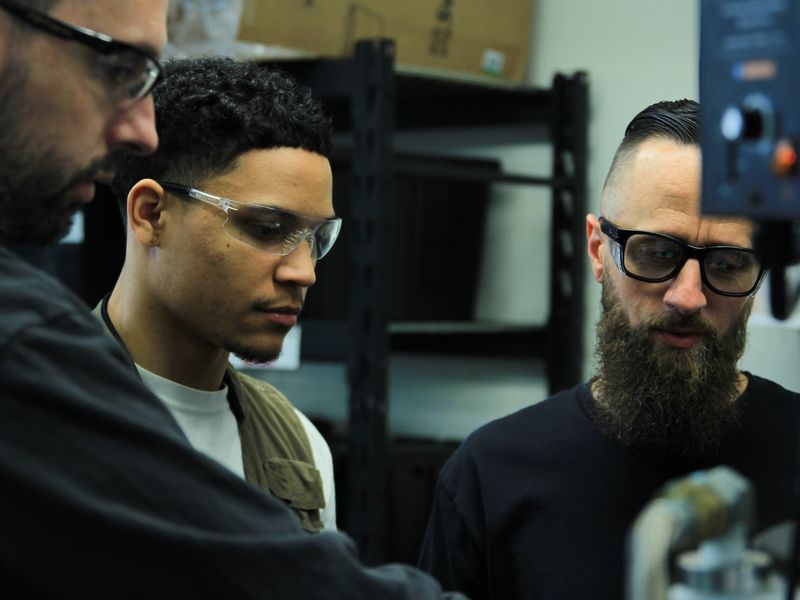
Two-part casting is a chemical cure, not a bake. A prepolymer and a curative are metered and mixed by machine, dispensed into a heated mold, and set into a solid elastomer. The equipment was built to order by a Michigan engineering firm, and every step happens in our Lansing shop.
Casting in detailReview the part
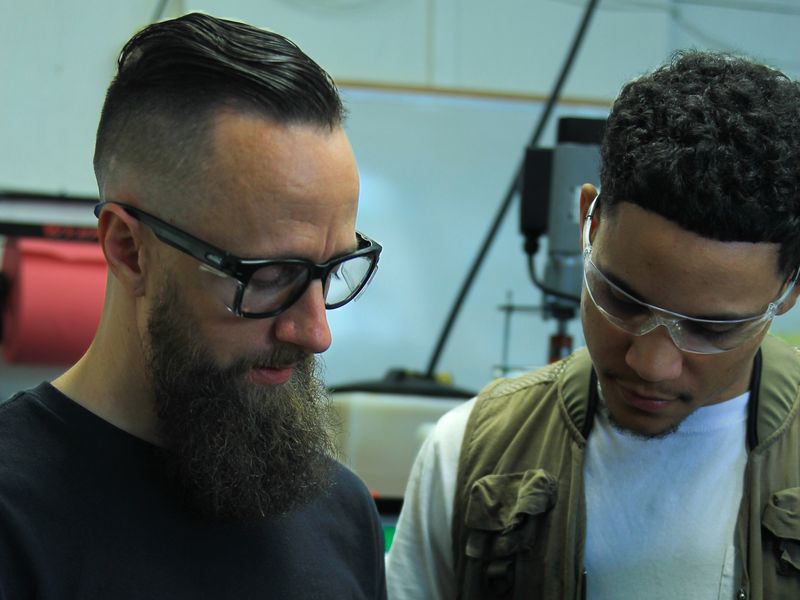
We look at the drawing or sample, the load it carries, and the environment it lives in, then pick a hardness and formulation to match.
Build or receive the mold
Prototype molds can be made in-house from a pattern or a print. Production tooling is machined from aluminum and stays yours.
Meter and mix
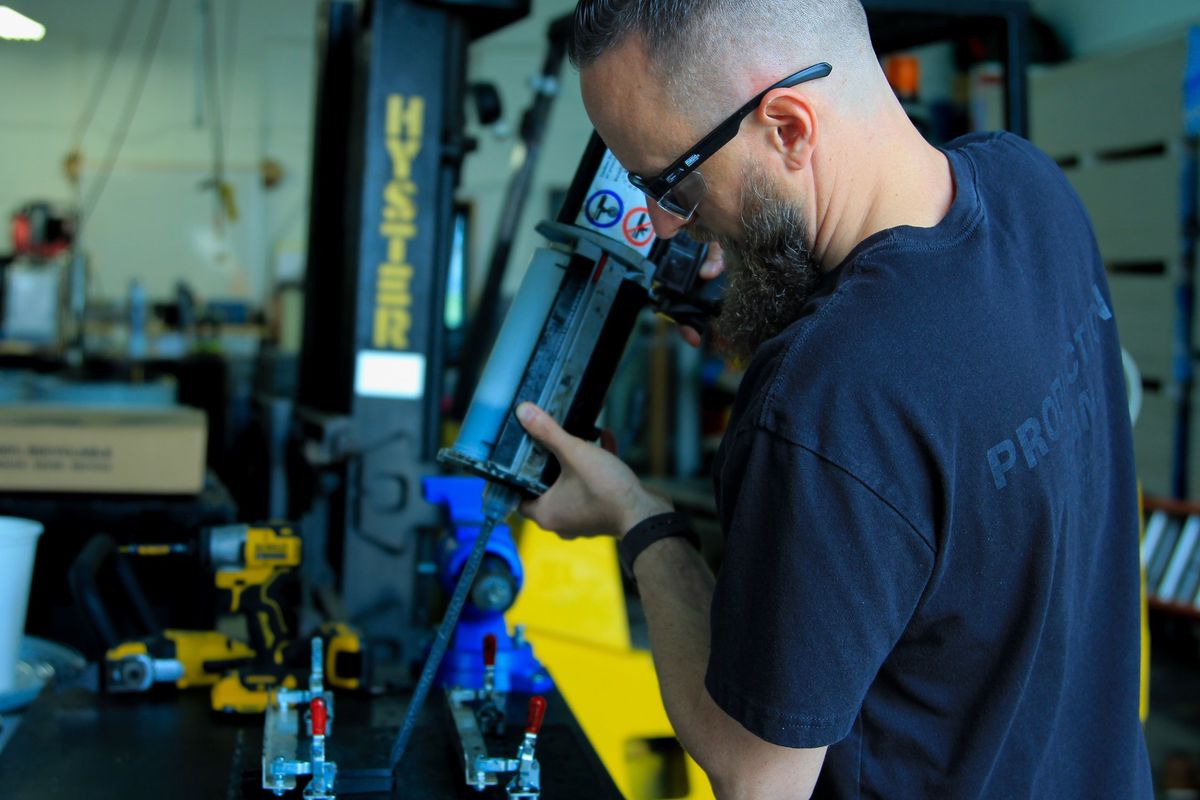
The prepolymer and curative are held at temperature and metered at an exact ratio by the dispensing machine. Ratio drift is what ruins urethane parts, so this step is watched closely.
Pour
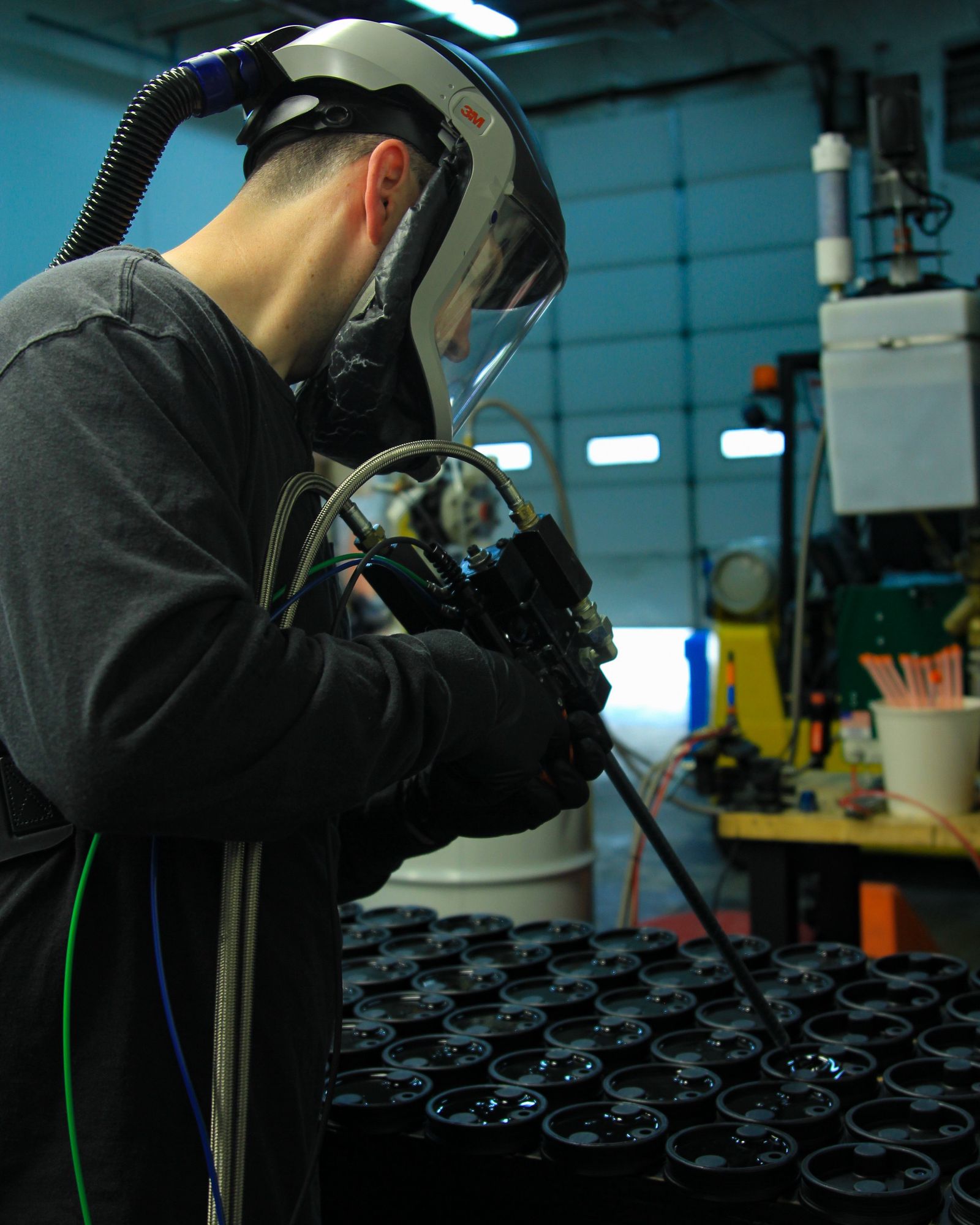
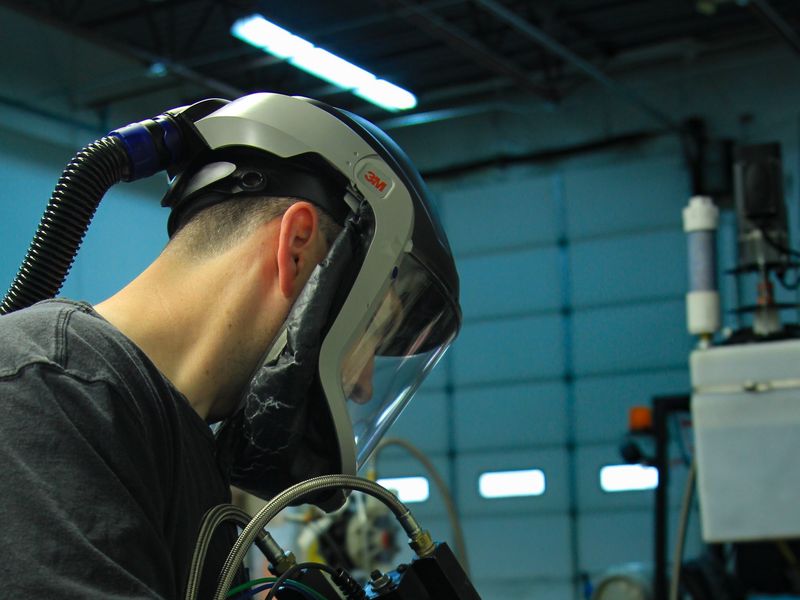
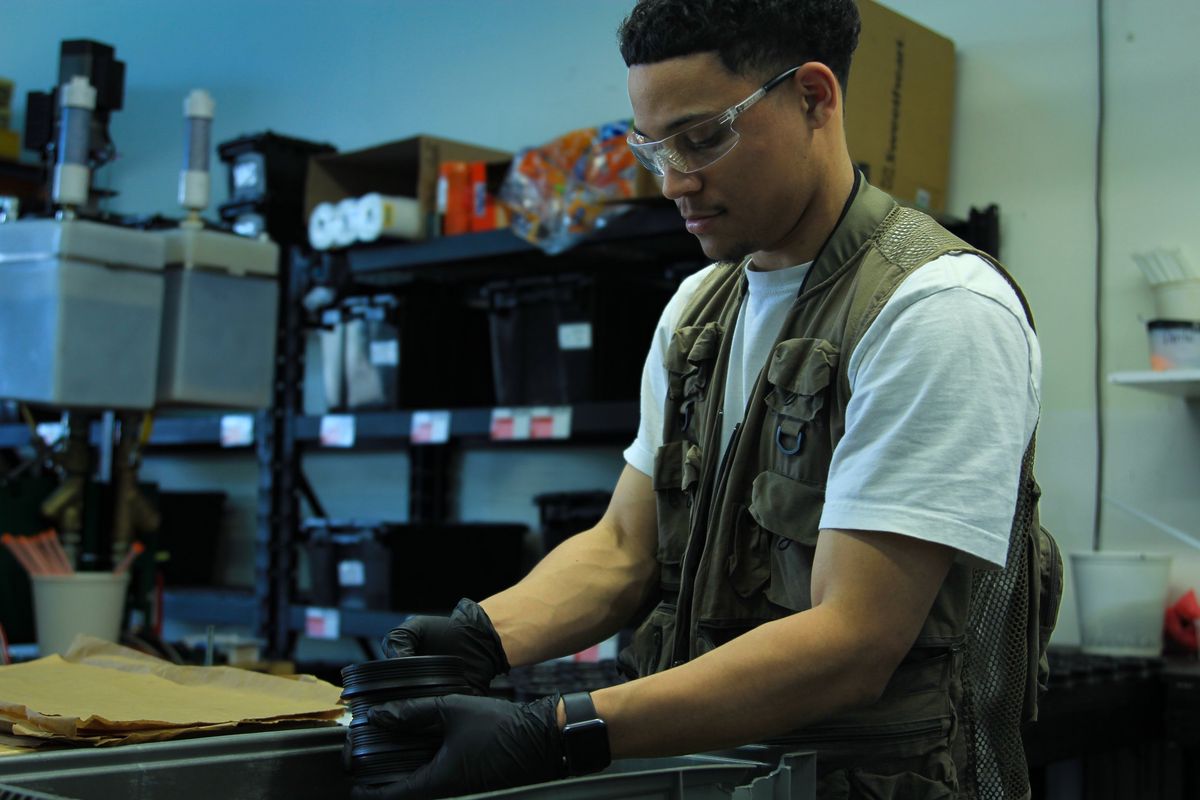
An operator fills each heated mold from the dispensing manifold. Some shapes can be automated. Many still pour better by hand.
Cure and demold
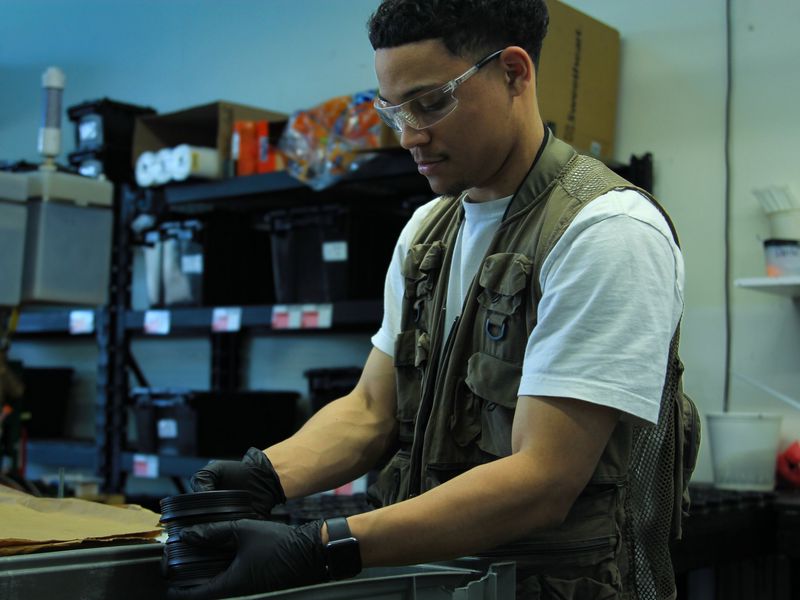
The material sets by chemical reaction, then post-cures to full hardness. Parts are demolded, trimmed, and post-machined if the print calls for it.
Inspect and ship
Dimensions and durometer are checked against the print under our ISO 9001:2015 quality system. Parts are packed and shipped from Lansing.
Why buyers send cast urethane work to Titan Works
Right-sized for the runs big casters drop
The large urethane houses walk away from small and mid-volume programs. We built the shop around exactly those runs, from a few hundred parts a year to tens of thousands.
Material sourced in the United States
Our polyurethane systems come from a domestic supplier, so lead times do not depend on a container clearing a port. Buyers who got burned in 2021 notice.
ISO 9001:2015, not just a promise
A certified quality system means documented procedures, traceable material, and inspection records with every shipment.
The owner picks up the phone
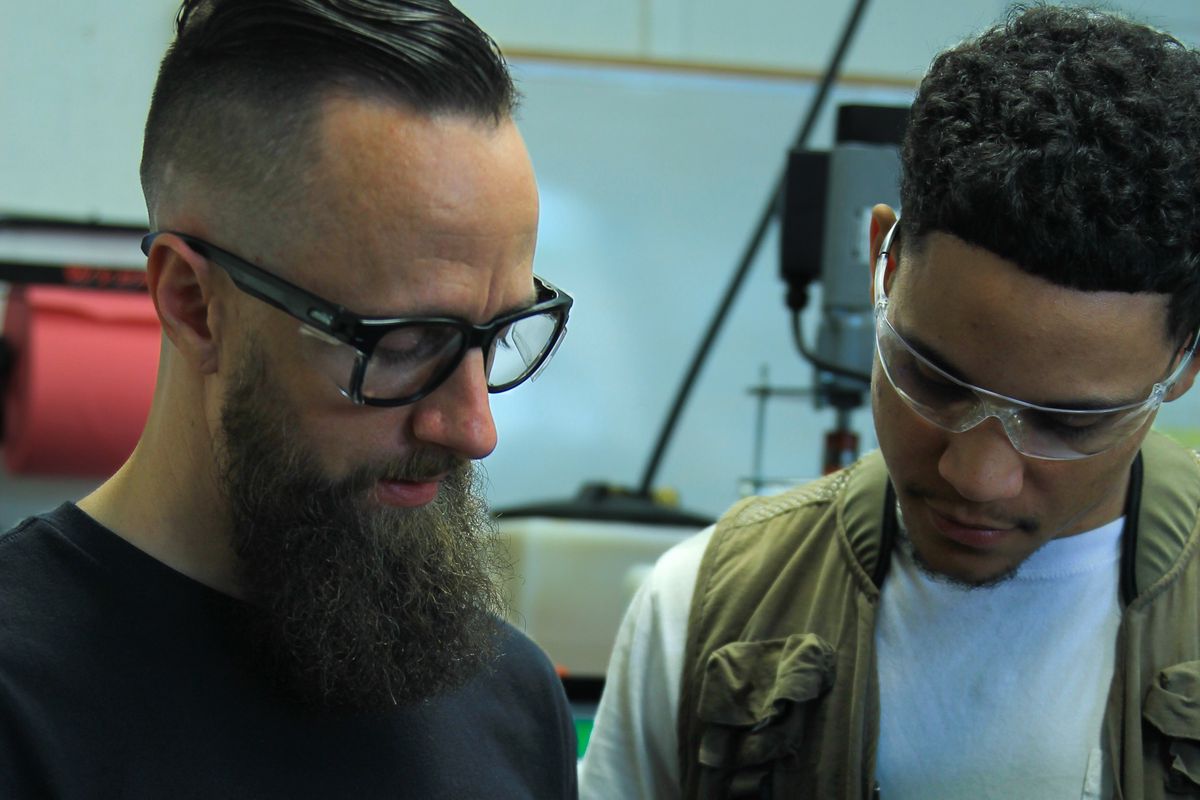
Titan Works is small on purpose. Quotes, engineering questions, and problem calls go to the person responsible for the parts.
Veteran owned and operated
Owner Alex Van Drie served in the US Army. For federal and defense buyers, that status counts in evaluation. For everyone else, it says something about how the shop runs.
Polyurethane as a replacement, not just a copy
We have replaced machined aluminum and molded rubber with cast urethane that is lighter, quieter, and longer lasting. Bring the part that keeps failing.
Industries we serve
Automotive aftermarket
Contract casting for suspension, load-support, and performance brands. Our home market.
Defense and government
Veteran-owned small business with domestic material and ISO 9001:2015 for primes and tier suppliers.
Industrial and machinery
Fixture pads, wear parts, isolators, and rollers for machine builders and shops.

The big casters walked away from the small and mid-size programs. Those parts still need to get made, on time, in this country. That is the work we built this shop for.
Titan Works is a small shop by design. You talk to the person who runs the machine, approves the material, and signs off on the shipment. Read the story.
Have a part to cast?
Send a drawing, a sample, or the problem you are trying to solve. The owner reviews every request and usually replies within one business day.